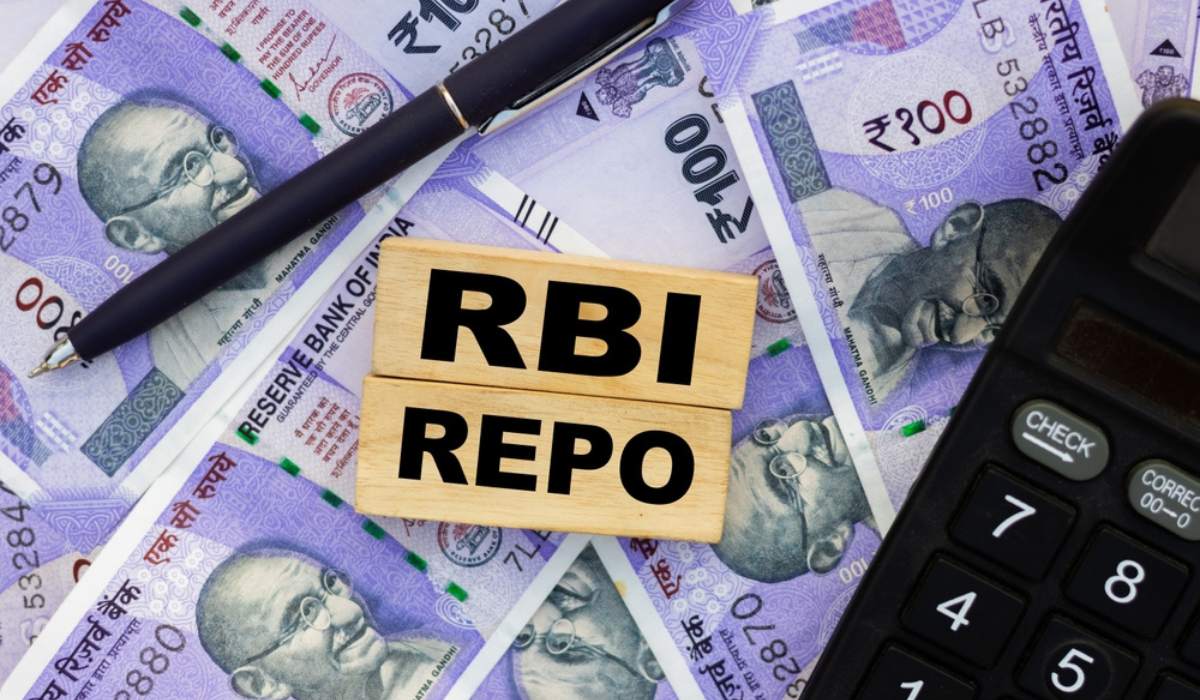
Repo Rate (short for Repurchase Rate) is the interest rate at which the Reserve Bank of India (RBI) lends money to commercial banks in India.
Think of it like this:
– When banks need short-term funds, they borrow from RBI.
– The Repo Rate is the cost of that borrowing.
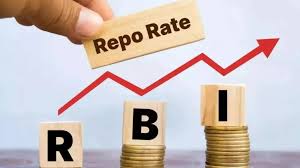
How Does Repo Rate Impact Your Loans?
When the Repo Rate changes, it influences the interest rates banks charge on loans like:
– Home loans
– Car loans
– Personal loans
If Repo Rate decreases:
– Banks borrow money more cheaply.
– They often reduce loan interest rates.
– Your EMIs may go down (especially if you have a floating-rate loan).
If Repo Rate increases:
– Borrowing becomes costlier for banks.
– They may increase loan interest rates.
– Your EMIs may rise.
For Example: If RBI cuts the repo rate by 0.25%, banks might reduce home loan rates from 9% to 8.75%, making your monthly payments slightly lower.